
Pillow Block Bearing Partnership FAQs: Long-Term Supply, Custom Grease, and After-Sales Support
Moving a pillow block bearing purchase from a one-off transaction to a repeat supply program is rarely a price problem — it is an identification problem. Once the insert code, the housing program and the grease specification are written down and frozen, every reorder should arrive with the same fit, the same sealing behaviour and the same documentation. This buyer FAQ answers the questions that arise when a procurement team stops re-sourcing mounted bearings every quarter and starts building a long-term supply relationship with a single manufacturer.
LDK — Deyuan Smart Technology (Fujian) Co., Ltd., established in 1986 and based in Quanzhou, Fujian, China — manufactures cast iron pillow blocks, thermoplastic housed bearing units, all stainless-steel mounted ball bearing units and farm implement bearings, with insert bearing bore sizes from 10 mm to 140 mm. The questions below follow the order in which buyers normally ask them: compliance first, then capability, budget, sample validation and lead time.

Why long-term pillow block bearing supply breaks down after the first order
The first order is usually well documented, because it went through engineering review: insert code, bore, housing, mounting, lubrication. The second order is often released as a verbal instruction — "the same pillow block we bought last time." That is where repeat supply programs fail, and the failure is almost never visible at goods-in.
Three patterns account for most of the damage:
- Insert drift. A UC2 insert is reordered as a "close" UCX, or an SSER stainless insert is replaced by a standard insert when the stainless line is short. The bore may match; corrosion performance, seal behaviour and clearance class do not.
- Grease drift. If the grease is not written into the order code, the reorder ships with the supplier's default fill. In a washdown, food-contact or high-temperature position, that changes lubrication life and relubrication intervals — and the buyer discovers it in service, not in the warehouse.
- After-sales drift. When replacement inserts are identified by eye instead of by code, maintenance fits a carbon steel insert into a stainless application, or a round bore agricultural bearing into a square bore position.
Housing interchangeability is the same problem in a different form. ISO 113:2010 specifies boundary dimensions for two-bolt and four-bolt plummer block housings intended for rolling bearings. If a repeat program allows the housing source to float, bolt-hole spacing and height dimensions have to be re-checked on every delivery before the unit can be treated as a drop-in replacement.
The cost of drift is not the price difference between a UC2 and a UCX insert. It is the unscheduled downtime, the extra goods-in inspection, the mixed inventory across shipments, and a warranty conversation that depends on somebody's memory of a phone call.
Where mounted bearing demand and supplier consolidation are heading
Pillow block and mounted bearing demand continues to expand, and the direction of that growth explains why long-term supply agreements have become a procurement topic rather than a purchasing formality.
- The global pillow block bearings market reached USD 2.8 billion in 2024 and is projected to reach USD 4.7 billion by 2033, a CAGR of 5.7% (Dataintelo).
- The broader mounted bearing market, including ball and roller types, was valued at approximately USD 1.48 billion in 2023 and is expected to reach USD 2.55 billion by 2033 (Spherical Insights).
- Asia Pacific held roughly 49.5% of mounted bearing market revenue in 2025, driven by industrialisation in China and India (Fortune Business Insights).
- China was the leading exporter of ball bearings (HS 8482) in 2024, with an export value of USD 6.53 billion (OEC).
SKF (Sweden), Schaeffler (Germany), Timken (United States), NSK (Japan) and NTN (Japan) together hold over 50% of the mounted bearing market, which means a large share of real purchasing decisions happen in the long tail of regional manufacturers and specialist suppliers. Buyers consolidating volume into that tail are not primarily shopping for catalogue breadth. They are shopping for reorder consistency: the same insert code, the same grease fill, the same documentation and a lead time that can be planned.
What a long-term pillow block bearing partnership actually covers
A partnership program is not a discount schedule. It is a set of frozen decisions with a written record behind them, and it has three working parts: the identification layer, the lubrication specification, and the after-sales mechanism.
One insert family, one housing program
Repeat orders stay stable when the insert family and the housing program are both fixed. For standard insert programs this means holding to one family from UC2, UC3, UCX, SA2, SB2, NA2 and UK2. For corrosion-resistant applications it means keeping the stainless steel insert line intact — SSER, SUK2, SNA2, SSA2, SSB2 and SUC2 — and, where the unit is supplied fully assembled, the stainless steel bearing unit families SSUCP, SSUCF and SSUCFL. Agricultural programs add disc harrow bearings together with square bore and round bore designs.
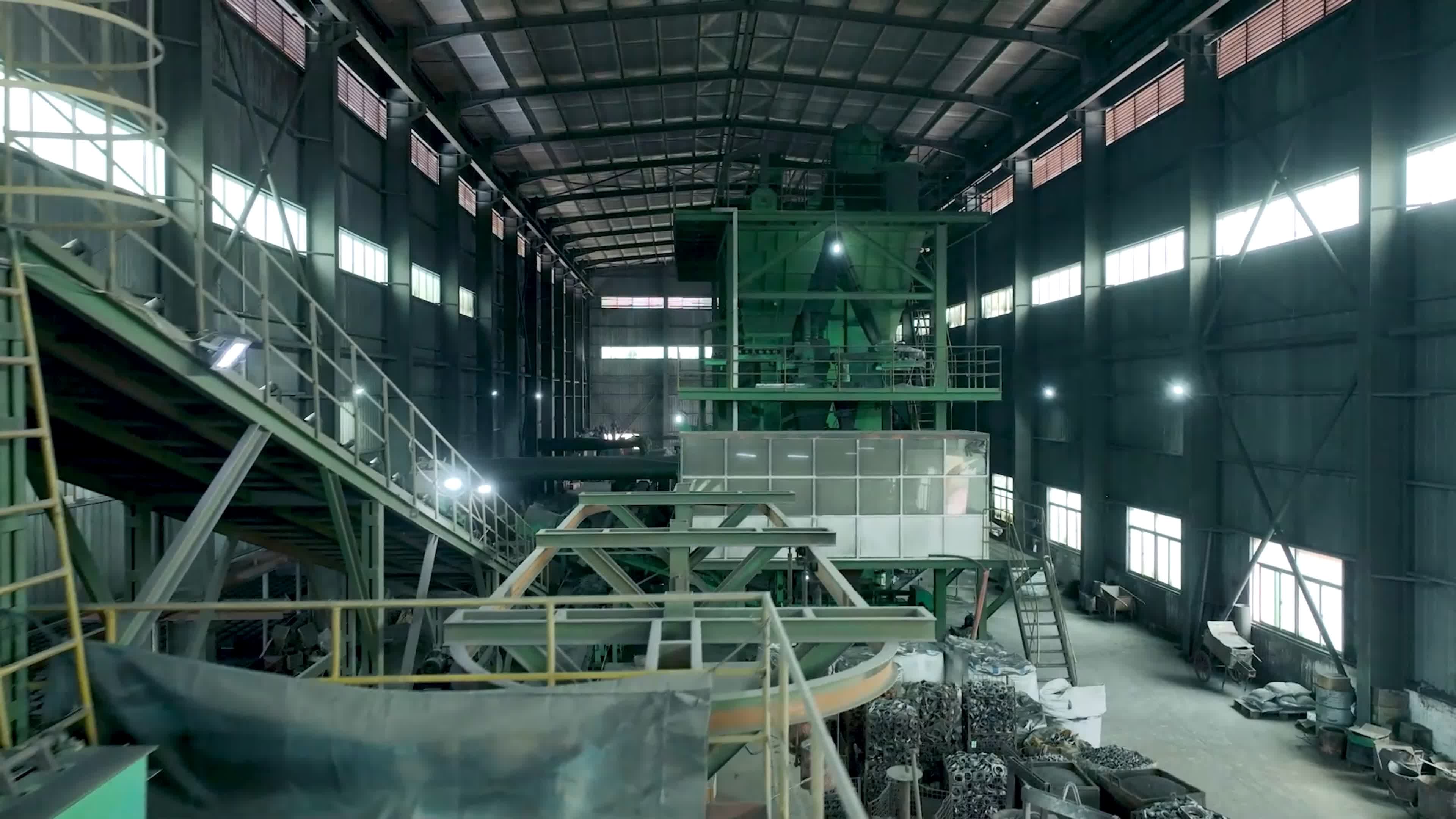
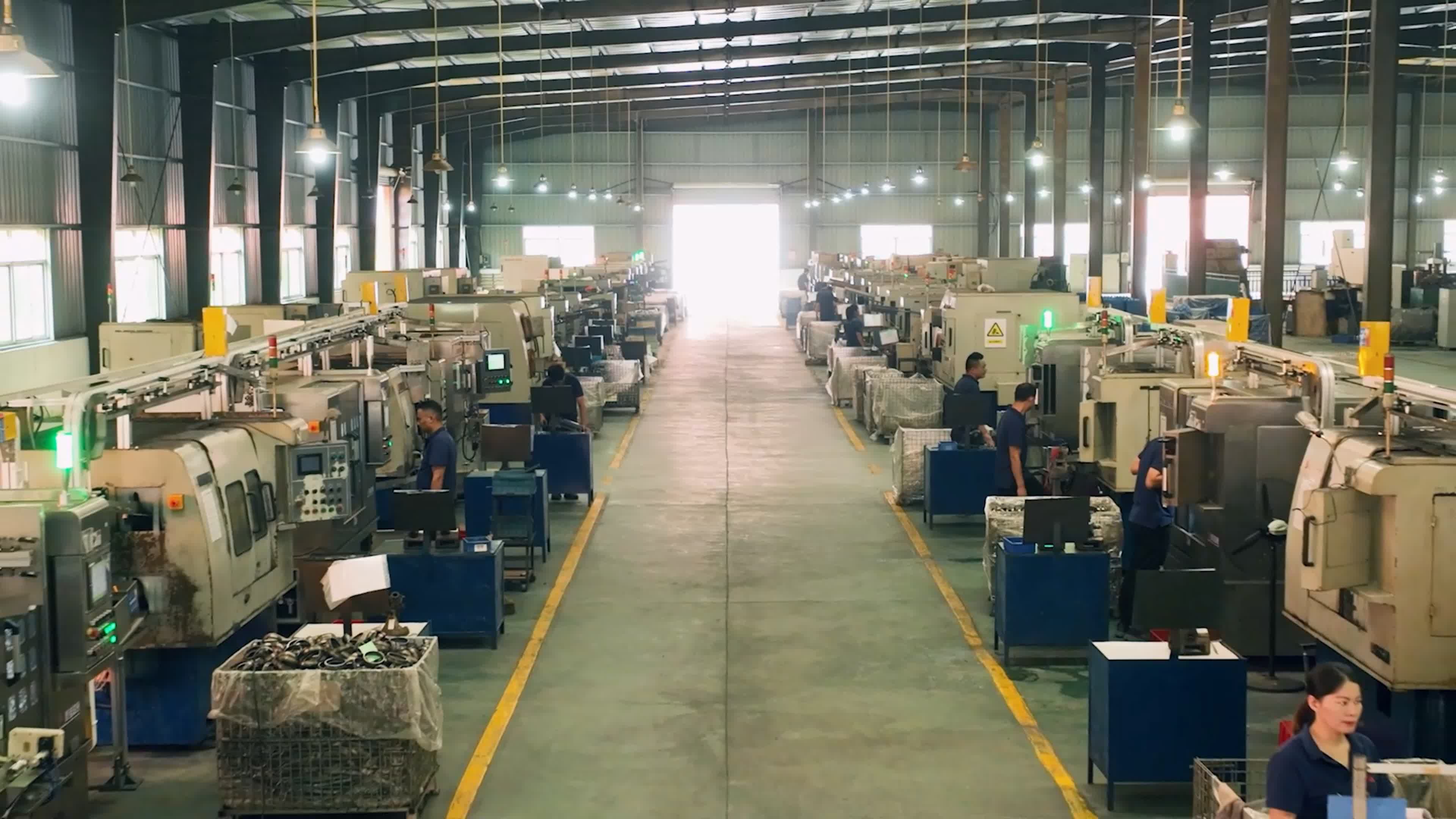
LDK produces both the bearing insert and the housing in one facility, which is what makes this level of pinning practical. The product range covers insert bearing bore sizes from 10 mm to 140 mm and more than 100 combinations of materials and housing types, including cast iron pillow blocks, thermoplastic housed bearing units (waterproof plastic bearing units for washdown environments), all stainless-steel mounted ball bearing units, Accu-Grip concentric locking bearing units, mounted units for the air handling industry and farm implement bearings. A reorder can therefore be tied to the same housing casting and the same insert code, rather than being assembled from whatever a distributor happens to hold in stock.
Custom grease: specify it in the order code, not in an email
Custom grease fails on repeat orders for one reason: it is agreed once and then stored in a person rather than in a part number. Five rules keep it stable.
- Write the grease requirement at first article, not at first reorder. The specification belongs in the technical file that accompanies initial sample approval.
- Let the order code carry the specification. If the repeat order number contains the lubrication and sealing variant, a reorder cannot silently revert to default fill.
- Validate changes the way the original was validated. A grease, fill-volume or seal change should be issued as a revision and supported by PPAP 3 documentation plus laboratory evidence. LDK's testing scope covers fatigue life, tensile strength, noise & vibration, high & low temperature and salt spray testing.
- Tie the grease to the environment. Washdown and food & beverage positions, abrasive dust, mud immersion and high ambient temperature each drive a different specification. LDK works to a compliance framework that includes IATF 16949, ISO 14001, ISO 45001, RoHS, REACH and FDA.
- Re-validate on every revision and keep the revision number visible. A part that has been changed twice without a revision trail is no longer the part that was validated.
Agricultural programs show why this matters. Disc harrow bearings commonly use specialised triple-lip contact seals and black oxide coatings to keep contamination out of the bearing in harsh field conditions. Reorder one of those bearings without the seal and coating specification and it will not survive the season, no matter how accurate the bore measurement is.
Rule of thumb: grease is a specification, not a preference. If a buyer needs a different fill for one shipment, issue it as a new revision with a limited quantity — never as an informal instruction that overwrites the standard program.
After-sales support: replacement identification, traceability and communication
After-sales support on a bearing program has to answer one question faster than any other: which insert goes back in? That answer should come from a code, not from a caliper. Keeping the insert code, bore and housing code on the packing documentation turns a maintenance replacement into a two-minute task and removes the most common source of mixed inventory.
Traceability is the second layer. Every LDK shipment can be equipped with precise production dates, barcodes and QR codes, so a defect can be isolated immediately instead of triggering a broad review of every unit in the field. Consistent order communication supports this: one technical contact, one agreed code list, one revision history, and digital inspection records that support skip-to-line audits on arrival.
The third layer is availability. LDK works with flexible manufacturing across low to high volumes, and for major OEM accounts it cooperates with overseas distributors to hold VMI (vendor-managed inventory) safety stock buffers; when a customer's production line spikes, a 24–48 hour regional emergency response can be triggered instead of paying for rush air freight. Agricultural programs carry a 12-month engineering warranty.
Moving from one-off purchases to a repeat supply program: step by step
- Freeze the identification layer. Confirm the insert family and code, the bore size, the housing type and the locking style, and record them in one document both sides use.
- Record the application envelope. Load character, washdown and cleaning chemicals, dust or mud, ambient temperature, food-contact requirements and mounting orientation — these decide the material and sealing specification.
- Write the lubrication and sealing specification into the order code. Include grease type, fill volume and seal design, with a revision number.
- Agree the documentation pack before the first production order. Mill Test Certificates for each batch, raw material laboratory results, dimensional inspection records, PPAP 3 documentation where the program is engineered, and traceability data on the shipment.
- Validate with a sample produced against the production order code. LDK's technical team works from concepts, samples or prints and provides optimised 2D/3D designs for specific constraints; sampling typically takes 1–2 weeks.
- Plan the reorder rhythm around real capacity and lead time. Minimum order quantity is 5,000 units, typical production lead time ranges from 30 to 90 days, and monthly production capacity is 300,000 units, against an annual output of 15,000,000 units.
- Agree the after-sales terms in writing. Replacement identification by code, warranty period, escalation contact, and — for high-volume accounts — whether VMI stock and a regional emergency response apply.
Use cases where repeat supply matters most
Agricultural and farm implement programs
Disc harrow, square bore and round bore agricultural bearings operate under shock loads, mud immersion and abrasive crop residue. The program risk here is seasonal: a bearing that fails during harvest cannot be rescued by air freight economics or by a substitute from a local stockist. Freezing the seal and coating specification, keeping a VMI buffer for peak season and carrying a 12-month engineering warranty on agricultural bearings together convert an unpredictable line item into a planned one.
Food, beverage and washdown lines
In washdown and food-contact areas, the stainless steel insert families (SSER, SUK2, SNA2, SSA2, SSB2, SUC2) and stainless steel bearing units (SSUCP, SSUCF, SSUCFL) exist to keep corrosion performance predictable. The repeat-order risk is lot-to-lot variation: if one delivery arrives with a standard insert because the stainless line was treated as interchangeable, the corrosion behaviour of the whole line changes. Waterproof plastic bearing units serve many of the same washdown positions where a thermoplastic housing is the practical choice.
Distributor and stocking programs
Distributors carry the widest mix and the thinnest tolerance for dead stock. A portfolio of more than 3,000 active SKUs across different materials and surface treatments allows high-volume commodity items and low-volume specialised items to be combined into mixed container shipments, which keeps freight and goods-in handling under control. Flexible manufacturing from low to high volumes means long-tail items do not have to be ordered in the same quantity as fast movers.
Air handling, conveying and general industrial equipment
Mounted units for the air handling industry, cast iron pillow blocks, pressed steel housed units and zinc alloy miniature bearing units are typically specified onto equipment platforms that stay in production for years. On those platforms the unit is designed into the machine once, and the supply program has to deliver the same geometry repeatedly — exactly the case where an insert code and a housing program should never be allowed to drift.
Comparison table: one-off purchase versus repeat supply program
| Dimension | One-off purchase | Repeat supply program |
|---|---|---|
| Insert identification | Code chosen per order; substitution tolerated when stock is short | Insert family and code frozen (UC2, UC3, UCX, SA2, SB2, NA2, UK2 or the stainless equivalents) |
| Grease and sealing | Supplier default fill unless stated on the order | Custom grease and seal specification written into the order code and controlled by revision |
| Housing | Housing sourced alongside the bearing, sometimes separately | Housing program fixed in-house — cast iron, thermoplastic, stainless, pressed steel or zinc alloy — with plummer block boundary dimensions per ISO 113:2010 |
| Documentation | Certificate supplied on request | Mill Test Certificate per batch, raw material laboratory inspection, PPAP 3 for engineered programs, digital inspection records |
| Traceability | Batch identification often incomplete | Production dates, barcodes and QR codes on the shipment for batch-level isolation |
| Order quantity and mix | Single SKU, single shipment | MOQ 5,000 units, flexible low to high volume production, mixed container shipments across 3,000+ active SKUs |
| Lead time planning | Ad hoc, order by order | 30–90 day typical production lead time against 300,000 units per month capacity |
| After-sales | Buyer identifies replacement parts independently | Replacement insert identified by code, 12-month agricultural engineering warranty, VMI buffer and 24–48 hour regional emergency response for major OEM accounts |
FAQ: pillow block bearing partnership questions
What certifications and documentation should back a long-term pillow block bearing supply agreement?
A repeat supply agreement is only as strong as the paperwork behind each batch. For a pillow block bearing program the working set usually includes material traceability for both the insert and the housing, dimensional inspection records, and a declared compliance framework. LDK operates IATF 16949 certified manufacturing facilities and works to a framework that includes ISO 14001, ISO 45001, RoHS, REACH and FDA, with verification by named authorities such as BV, SGS or TUV where required. Incoming raw material is inspected in an in-house physical and chemical laboratory, and audited suppliers must deliver an authentic MTC (Mill Test Certificate) with every batch. For engineered programs, PPAP 3 documentation forms the validation pack. On the housing side, ISO 113:2010 specifies boundary dimensions for two-bolt and four-bolt plummer block housings intended for rolling bearings — the reference to use when confirming that a housing program stays dimensionally interchangeable across reorders.
Can a reorder keep the same insert fit, housing compatibility and custom grease?
Yes, provided three layers are frozen rather than remembered. The first is the insert: one family held across reorders, whether that is UC2, UC3, UCX, SA2, SB2, NA2 or UK2, or a stainless steel insert from SSER, SUK2, SNA2, SSA2, SSB2 and SUC2, or a stainless steel bearing unit from SSUCP, SSUCF and SSUCFL. The second is the housing program: cast iron pillow blocks, thermoplastic waterproof plastic bearing units, stainless units, pressed steel housed units, zinc alloy miniature bearing units or plummer blocks. The third is the grease and seal specification, tied to the order code so it cannot revert to default. Because LDK produces both bearings and housings in-house, a reorder can be pinned to the same casting and the same insert code, across bore sizes from 10 mm to 140 mm and over 100 combinations of materials and housing types. Any intentional change — a different grease, a different seal, a substituted insert — should be issued as a revision and validated with PPAP 3 documentation and laboratory testing covering fatigue life, tensile strength, noise & vibration, high & low temperature and salt spray.
How do MOQ and volume structure affect the cost of a partner supply program?
Standard minimum order quantity is 5,000 units, and flexible manufacturing accommodates low to high volume production. In a repeat program, cost is driven by mix and administration as much as by unit price. With more than 3,000 active SKUs spanning different materials and surface treatments, LDK can combine high-volume commodity items and low-volume custom items into unified, mixed container shipments, which keeps inbound freight and goods-in handling under control. R&D sampling typically runs 1–2 weeks. Delivery terms cover FOB, CIF, DDP and DDU, and for major OEM accounts VMI safety stock buffers can be arranged with overseas distributors. Payment terms such as Usance L/C or O/A 30–60 days are assessed case by case for verified long-term OEM clients after audit. Buyers comparing proposals should model total cost of ownership across the program — inspection effort, inventory and downtime risk included — rather than the price of the first container.
Can we validate a custom grease or a new insert before committing to full production?
Validation is the purpose of a pilot sample, and it is more rigorous than a fitment check. LDK's technical team works from concepts, samples or prints and provides optimised 2D/3D designs for specific constraints, with a sampling cycle of 1–2 weeks. Validation evidence can include PPAP 3 documentation and laboratory results covering fatigue life, tensile strength, noise & vibration, high & low temperature and salt spray. Two conditions make the pilot meaningful: the sample must be produced against the exact order code that will be used in volume production, and the revision number recorded for the sample must be the revision number used on the repeat order. For agricultural bearings, the seal and coating specification — for example the triple-lip contact seals and black oxide coatings commonly used on disc harrow bearings — should be part of sample validation rather than added later.
What should after-sales support cover, and how long does a repeat order take?
Typical production lead time ranges from 30 to 90 days against a monthly production capacity of 300,000 units, so a reorder rhythm should be built around that window instead of around a stock-out. After-sales support on a bearing program normally covers four areas: replacement identification, traceability, warranty and escalation. Replacement inserts should be identified by code rather than by measuring a worn part. Every shipment can carry precise production dates, barcodes and QR codes, so a defect can be isolated to a batch immediately instead of triggering a broad recall review. Agricultural programs are covered by a 12-month engineering warranty, and for major OEM accounts VMI safety stock held with overseas distributors supports a 24–48 hour regional emergency response when production spikes. Next step: to convert a one-off order into a repeat supply program, send your insert list, housing types and grease specification to kzhang@ldk-bearings.com for a quotation, or request a sample first.
Conclusion: the partnership is the specification
Long-term pillow block bearing supply is decided long before the price negotiation. It is decided when the insert code is frozen, when the grease specification is written into the order code instead of into an email, and when replacement inserts can be identified by a code rather than by a caliper. Buyers who lock those three things get repeat orders that behave like the validated part, a documentation pack that supports their own audits, and an after-sales route that resolves batch problems quickly.
LDK — Deyuan Smart Technology (Fujian) Co., Ltd. — has manufactured bearings since 1986, with 90,000 m² of production facilities, approximately 130 employees, a 12-engineer R&D team, and 60% of output exported to Europe, North America, Latin America and Oceania.
Start your repeat supply program
Send your insert codes, housing types and grease specification, and LDK will return a quotation and a documentation outline for a pilot order.

www.ldk-bearings.com · Email: kzhang@ldk-bearings.com · Tel: +86 592-5807618 · WhatsApp: +86 199 5926 6209
Download the full product catalog: LDK Bearings catalog (PDF)
Have Questions or Need More Details?
Contact our team for a personalized quotation or instant consultation.
Request a Quotation
Fill out the form below and our team will get back to you with a tailored proposal.
WhatsApp Direct Chat
Prefer to chat in real-time? Message us on WhatsApp for instant assistance & quick answers.
- Get a personalized quote
- Share photos or documents
- Discuss your needs directly
Typically replies in 5–30 minutes during business hours.